10-Point Checklist for a Safe Solo Nature Walk
Ten practical checks — route, weather, gear, and a person who knows where you are — that make a solo forest walk safer without turning it into an expedition.
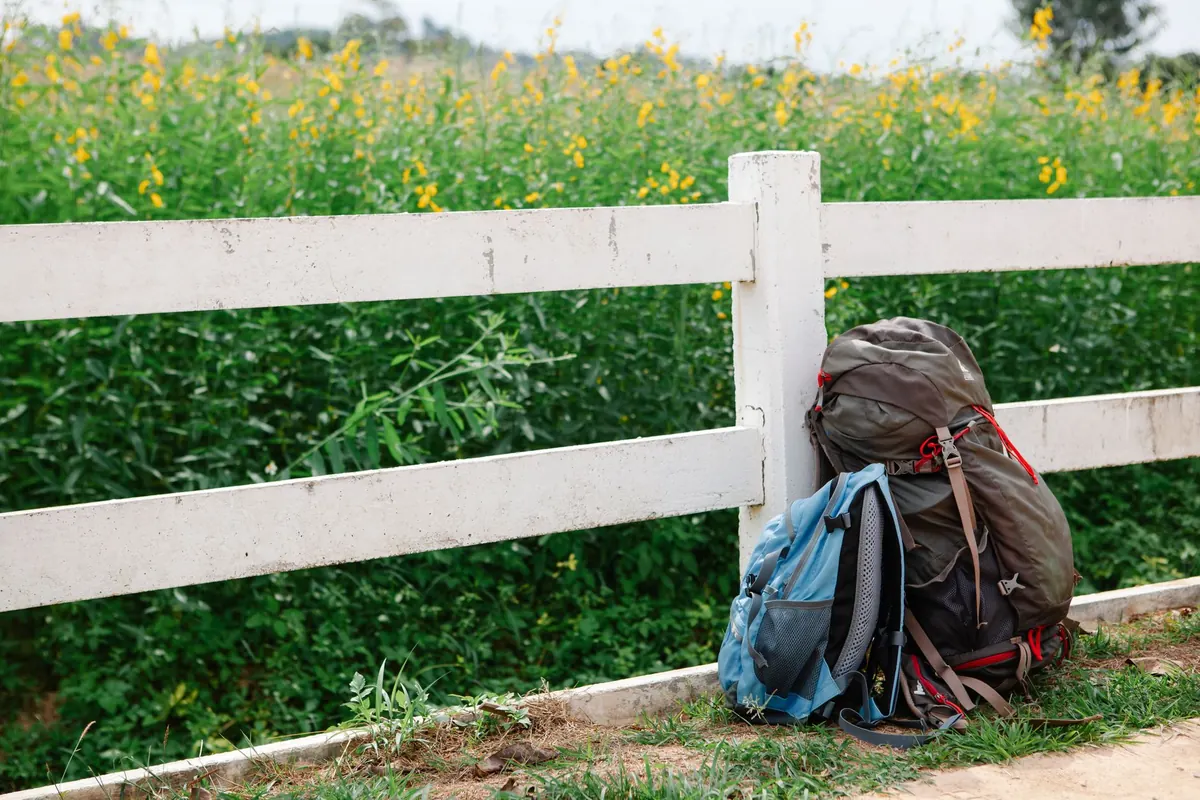
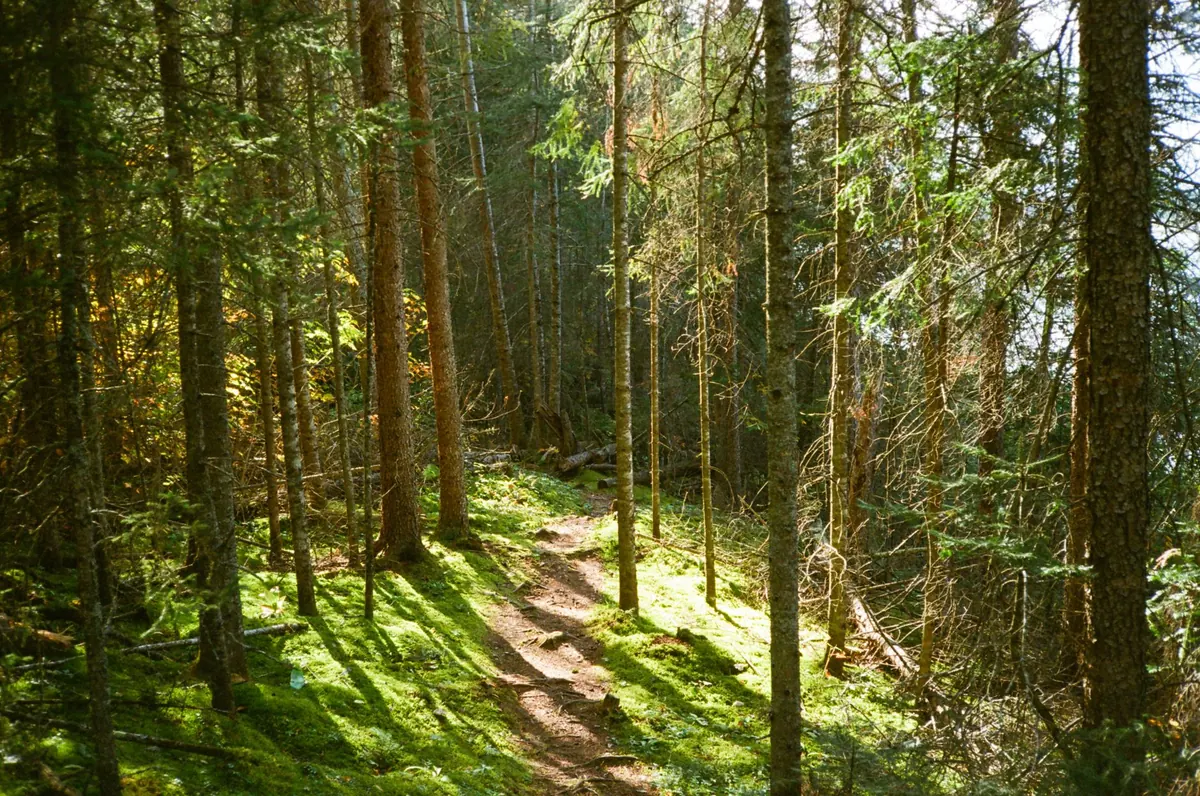
A forest path at seven in the morning belongs to whoever gets there first. Deer tracks in the mud, mist sitting in the conifers, nobody to talk to and nobody waiting for you to catch up. Walking alone is one of the quietest pleasures the woods offer, and it is also the version of walking where small mistakes cost the most. There is no companion to notice you have gone pale, no second phone, no one to say the stream looks higher than it did last week.
None of that argues for staying home. It argues for ten minutes of preparation before you pull on your boots. What follows is the checklist worth running through every time you head out by yourself, whether it is a two-hour loop behind the village or a full day in the higher forest.
Start With the Route, Not the Boots
1. Choose a route you could finish on a bad day. Most people plan for their best condition: fresh legs, good sleep, dry weather. Plan instead for the version of yourself that slept badly and is carrying a slight head cold. If your usual walk is eight kilometres with three hundred metres of climbing, a solo outing is not the moment to try sixteen and nine hundred. Ask one question about any route you are considering: if I hurt an ankle at the halfway point, how do I get out? Forest tracks with junctions, old fire roads and a valley road within reach are all good signs. A narrow trail that commits you to six hours with no exit is one to save for company.
2. Carry the map twice. Download the offline map to your phone before you leave, and put a paper copy or a printed section in a plastic bag in your pack. A screen dies; paper does not. Before setting off, mark three things: the junction where you could accidentally turn wrong, your planned turnaround point, and two alternative ways back to the car. Learning to read a map and compass properly takes an afternoon and pays you back for the rest of your life.
Read the Weather Properly
3. Check the forecast for the elevation you will actually be at, and check the last two days as well. Valley weather is not forest weather. A mild forecast for the village can mean wind and rain two hundred metres above it. Just as important is what fell before you arrived: heavy rain the previous night means swollen streams, greasy roots and deep mud, and a windy night means broken branches across the trail and the risk of more coming down. In a forest, the trees are not shelter from that particular hazard.
4. Set a turnaround time, not a turnaround feeling. Write it down. Tired legs and a lovely view are both very good at persuading you to continue ten more minutes, and ten more minutes three times over is how people end up walking the last kilometre in the dark. Work backwards from sunset at your location, not from when you left the car, and give yourself ninety minutes of daylight margin. Set an alarm on your phone for the moment you need to turn around.
Pack for the Walk You Might Have to Take
5. Carry the essentials, trimmed for a day walk. You do not need a mountaineering kit for an afternoon in the beech woods, but you do need the small set that turns an inconvenience into a manageable situation. In a light daypack:
- Water — more than you expect to drink, especially in summer and at altitude
- Extra food: a proper sandwich plus something sweet and quick
- An insulation layer and a waterproof shell, packed rather than worn
- A headtorch with fresh batteries, even on a walk you plan to finish at four
- A small first aid kit with blister plasters, tape and antiseptic wipes
- A whistle — cheap, weightless, and audible far further than a voice
- Map and compass, plus a charged phone and a power bank
- Sun protection: hat, sunglasses, high-factor cream
- An emergency bivvy bag or foil blanket
- A knife or multitool and a few metres of cord
6. Dress in layers, not in one heroic jacket. Forest walking is stop-start: you sweat on the climb, cool down at the viewpoint, warm up again on the descent. Three thin layers you can add and remove beat one thick one every time. Avoid cotton next to the skin, since it holds water and chills you. Break in your boots before a long solo day, and deal with a hot spot the second you feel it — stop, dry the foot, tape it. Blisters are the most common reason a good walk ends badly.
Tell Someone Your Plan
7. Leave a route card with a real person. Not a note on the kitchen table that nobody reads until evening. Send a message to a friend or family member before you start, and include the essentials:
- Where you are parked and the exact name of the trailhead
- The route you intend to take, with the name of the high point or turnaround
- When you expect to be back at the car
- What time they should worry, and who to contact if you are not back by then
Send a short update at your turnaround point, and another when you reach the car. That last message matters more than it seems: it is the difference between a friend who assumes you are fine and a friend who raises the alarm.
8. Manage the phone like a tool, not a safety net. Start with a full battery. Know where the signal gaps are, and note the last place you had reception on the way in. Signal-saving mode is useful on a long day, but remember that it also cuts you off; a middle path is to leave the phone on and switch off what you do not need. Save the local emergency number before you go, and learn whether your area has a dedicated mountain rescue service and how it is reached.
Know What You Will Do When Something Goes Wrong
9. Stop at the first warning sign. The most useful habit in solo walking is stopping early. A twinge in the knee, a hot spot, a headache, a sudden sense that the path does not match the map — all of these are reasons to stand still, eat something, drink, and reassess rather than push on and hope. Treat small problems while they are still small. A basic first aid course is worth the weekend it costs, and for anything beyond cuts, blisters and mild exhaustion, get proper medical advice rather than a website's opinion.
10. If you are lost or hurt, make yourself easy to find. Stay on the trail if you are still on it. Do not push downhill into an unknown valley in the hope of reaching a road; valleys in forests are often steeper and more tangled than they look from above. Get out of the wind, put on your insulation, sit on something dry, and use your whistle — six short blasts, a pause, then repeat. Conserve your voice and your battery. If you have to move, follow the markers you came in on rather than inventing a shortcut.
A Five-Minute Ritual at the Trailhead
Before you step into the trees, run the same short sequence every time. Look at the sky and decide whether the forecast still holds. Check that your boots are properly laced, your water is full and your headtorch works. Send the route message. Set the turnaround alarm. Note the time and the car park name. Then put the phone away and walk.
Ten checks, five minutes, and the woods are yours — the quiet, the deer tracks, the long green light through the canopy. Preparation is not the opposite of solitude. It is what lets you enjoy it.
Photo: Vanessa Garcia / Pexels