Forest Walk Lighting: Morning vs. Late Afternoon for Wildlife Watching
Morning and late-afternoon forest walks offer different light, different animal activity and different photographic challenges. Here is how to choose your window and make the...
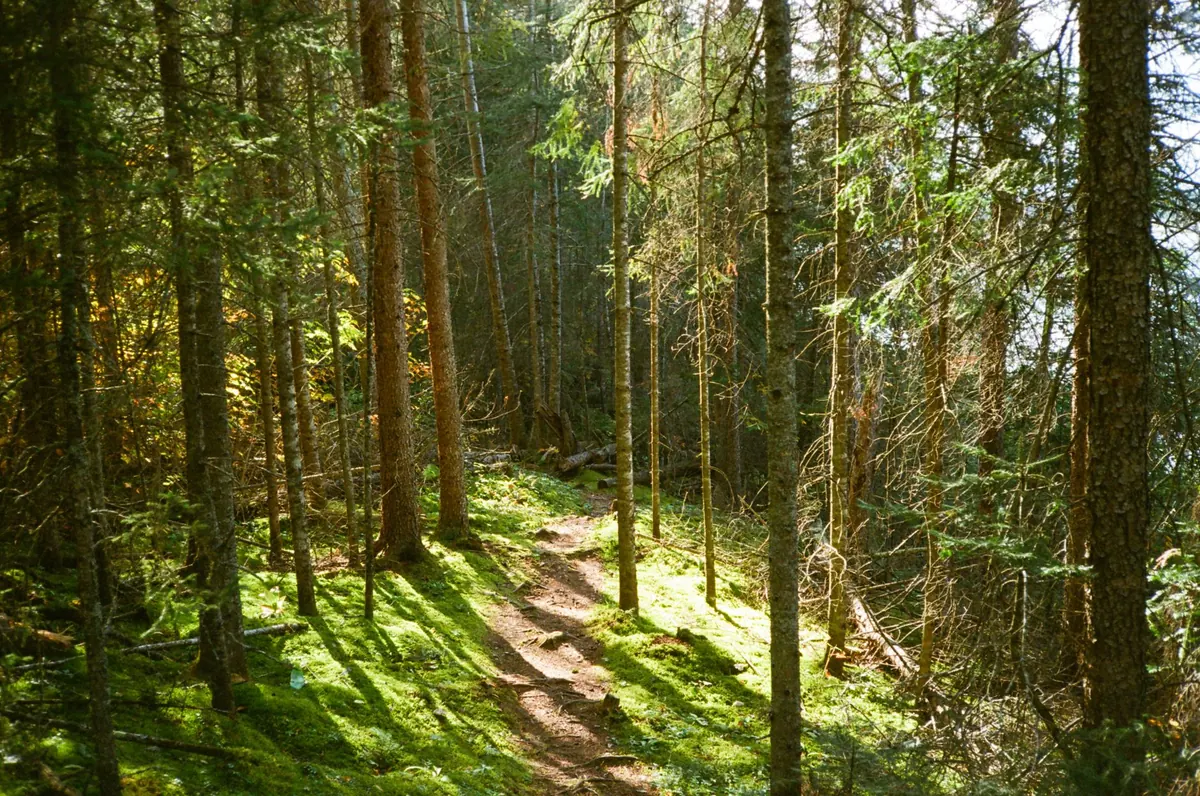
Anyone who has walked the same forest path at seven in the morning and again at six in the evening knows it can feel like two different places. The light arrives from a different angle, the air moves differently, and the animals you meet are often not the same ones at all. Choosing between a morning and a late-afternoon walk is not a small scheduling detail. It shapes what you see, how you see it, and how much of it you bring home in photographs.
What follows is a plain comparison of the two windows, based on the ordinary business of walking woods in all weathers and in every season.
Two Kinds of Light in One Wood
A forest never receives light evenly. The canopy breaks it into strips and patches, and the angle of the sun decides which of those patches reach the ground. In the early morning the sun sits low and often to the east, so light slides in almost horizontally, catching trunks, undergrowth and the tops of ferns while the path itself stays in shadow. The colour is cool at first, then neutral, then gently warm as the morning settles.
Late afternoon reverses the geometry. The sun drops toward the west, the light turns amber and then copper, and shadows stretch out across the track. Leaves held up against that low sun glow as if lit from inside. The difference is not just aesthetic. Low-angled light reveals texture — bark furrows, moss, the ribbed surface of a mud track — while midday light flattens all of it.
One practical point worth checking before you set out: ridgelines and hillsides cut the day short. A forest in a valley can lose the sun a good hour before the official sunset time, and the light under the canopy fades faster still.
Morning: Stillness, Mist and Birdsong
Cool air is heavy air. Before the ground warms up, wind is usually at its weakest, which means sound travels cleanly through the trees. This is why a morning wood feels so much quieter and yet so much more audible. You hear a blackbird turning over leaf litter thirty metres away.
Morning is also when moisture is most visible. Dew sits on every surface, spider webs are suddenly obvious, and mist collects in hollows and along streams. For anyone who likes atmosphere, this is the richest hour of the day.
Wildlife tends to be busy and purposeful. Birds sing most intensively around and just after first light, particularly in late spring and early summer. Many mammals are finishing a night of feeding and moving back toward cover, which gives you a chance of a brief sighting — a deer crossing a ride, a fox slipping along a hedge line — though rarely for long.
The trade-offs are real. You start in low light, often in the cold, with wet vegetation soaking your trousers. Photographically, the light can be flat and blue before the sun clears the trees, and contrast is low. It takes patience, a steady hand or a support, and a willingness to wait for the first proper beam to break through.
Late Afternoon: Warm Light and a Second Shift
After a warm day, the cooling air brings animals back out. The long quiet stretch in the middle of the day gives way to renewed feeding and movement, and for many species the hours around dusk are as productive as dawn. Deer, foxes, badgers, hedgehogs and bats all fit their lives around this transition. Insects rise in columns over the path, and the birds that hunt them follow.
The light is the obvious draw. Side-lit trunks, glowing bracken, long shadows raking across the track and the chance of genuine backlighting through leaves — these are the conditions photographers wait all day for. Colours in the warm end of the spectrum look richer than they do at any other hour.
What catches people out is the speed of the fade. Under a full canopy, the golden window can be twenty minutes rather than an hour, and once the sun is behind the trees you are walking in blue-grey light. Cloudy evenings often skip the warm phase altogether. Plan your turn-around point so you are back at the car park before you need a torch, and carry one anyway.
Comparing Wildlife Activity
Neither window is reliably better. It depends on what you want to see and what the weather has been doing.
- Birdsong: strongest at dawn, thinning steadily through the morning. Afternoon song exists but is patchier.
- Crepuscular mammals: most likely at dusk, with a secondary dawn movement. Midday sightings happen but are usually animals that have been disturbed.
- Insect activity: rises with warmth. Mornings are quiet until the sun hits the undergrowth; evenings can be busy, and midges will find you.
- Sign and tracks: best read in the morning, when overnight evidence is fresh and undisturbed in damp soil or dew.
- Weather beats the clock: a mild, still, overcast dawn will often out-perform a cold, windy evening regardless of the hour.
Photography Conditions, Side by Side
- Colour: cool and slightly blue at dawn; amber to copper in late afternoon. Neither is "correct" — decide which mood you want.
- Contrast: lower in the morning, which is forgiving. Higher in the evening, which is dramatic but harder to expose.
- Atmosphere: mist, dew and backlit webs favour mornings. Haze, dust and rim light favour evenings.
- Difficulty: mornings demand high ISO and steady hands. Evenings demand fast decisions before the light goes.
- Company: popular woods are emptier at dawn. Evening walks overlap with dog walkers and families.
A small tip that helps in both cases: expose for the highlights. Forest light is patchy, and blown-out patches of sky between leaves are the thing most likely to spoil an otherwise good frame.
Practical Habits for Either Walk
- Check sunrise and sunset, then add a margin. Arrive thirty to forty-five minutes before sunrise, or stay until the light has genuinely gone, not just dimmed.
- Walk into the wind. Approaching with the breeze in your face keeps your scent from carrying ahead of you.
- Stop and stand still for ten minutes. Most sightings happen to people who have stopped moving. Lean against a tree, breathe quietly, let the wood reset around you.
- Dress for silence. Rustling waterproofs and jangling keys undo an otherwise careful approach.
- Carry a red-light torch for the walk out and keep it in a pocket you can reach without taking your pack off.
- Tell someone your route and expected return time. Signal is often poor under canopy, so a plan made in advance matters more than a phone.
- Keep your distance in spring. Avoid nests, young animals and obvious den sites, and skip recorded bird calls entirely.
How to Choose Your Window
If you want birdsong, mist and fresh tracks, go at first light and accept the cold and the low shutter speeds. If you want warm light, mammals on the move and a rich, textured forest floor, go in the last two hours before dusk and be disciplined about leaving.
If you can only manage one, pick whichever suits your temperament and your schedule — a walk you actually take beats a better one you keep postponing. Then, at some point, walk the same route at the other end of the day. The path will not look familiar, and that is the whole point.
Photo: Jacob Postuma / Pexels